
The Intricacies of Jueteng: A Philippine Phenomenon
Jueteng is a centuries-old numbers game entrenched deep within Philippine culture. Despite its notorious reputation, the game occupies a unique space in the realm of Filipino gambling activities and remains a subject of countless debates, legislation, and attempts at legalization and eradication. In recent years, the emergence of online gambling platforms like fortbet.bet has offered new dimensions to localized gambling practices. However, jueteng continues to captivate its participating audience, from street corners to the high echelons of political influence.
Understanding the Game
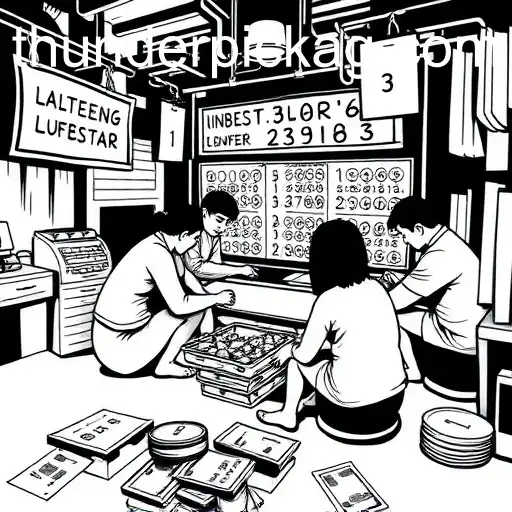
Jueteng operates similarly to a lottery, although its mechanisms are far simpler and more accessible to local populations. The game involves betting on a combination of numbers, often ranging from 1 to 37, drawn randomly by an operator. Wagers start at a low base, allowing wide participation across socio-economic classes.
At the heart of whether one sees jueteng as vice or entertainment, the game's appeal lies in its simplicity and its promise of lucrative returns on minimal investments. This allure enhances the game's popularity throughout cities and rural barangays alike.
Historical Context and Cultural Significance
The legacy of jueteng can be traced back to Spanish colonization, suggesting its hybrid origin mixing indigenous and foreign influences. Since then, the game has persisted through varying political landscapes. It is often said to function as an informal economic system, offering employment to those who serve as handlers, cobradores, or collectors, creating a grassroots framework beyond the purview of formal employment and taxation.
Sociopolitical Dimensions
Throughout Philippine history, jueteng has embroiled itself in various levels of governance and politics, even contributing to political controversies, particularly during the presidential administrations of recent decades. Accusations and confirmed instances of police and government officials either receiving protection money or being complicit in operations have significantly blemished local politics.
Ironically, legal systems struggle to fully extinguish jueteng, partly due to its socio-economic role. On the ground, jueteng funds are often employed to support local communities, providing funds for communal events and emergencies, thus encouraging a clandestine form of protection from legitimate law enforcement.
Attempts at Legalization and Regulation
To curb the extensive illegality surrounding jueteng, various administrations have attempted to regulate and legalize forms of jueteng under government oversight, such as converting operations into legal numbers games like the Small Town Lottery (STL). However, traditional jueteng operations persist, often operating in the shadows alongside state-sanctioned alternatives.
The debate on legalization also comprises economic arguments, proposing potential revenue that regulated jueteng can generate for both national and local governance. Nonetheless, opponents highlight the social costs of gambling addictions and its continued potential to breed corruption.
The Internet Era and Jueteng's Future
The rise of digital gambling solutions, notably platforms like fortbet.bet, continues to alter the landscape of gaming practices in the Philippines. Though these digital platforms maintain a form of legitimacy under international jurisdiction, traditional games like jueteng possess a cultural resilience that makes them hard to dislodge from the national psyche.
Jueteng's future may lie in integrating technology to enhance transparency and accountability or further governmental efforts to digitize gambling. However, without addressing deeply rooted desires for the personalized communal experiences they provide, such integration risks alienating a vast player base.
Conclusion
Jueteng remains a complex issue interwoven with Philippine society and culture. It reveals layers of tradition, corruption, and communal solidarity amid modern pressures. The dynamics of this enduring game are reflections both of national challenges and the broader human penchant for risk and reward.
As discussions circulate on both local and international stages on platforms like fortbet.bet, the inherent Filipino spirit embodied in jueteng will likely guide how these debates develop, ever evolving yet retaining its marked significance.